





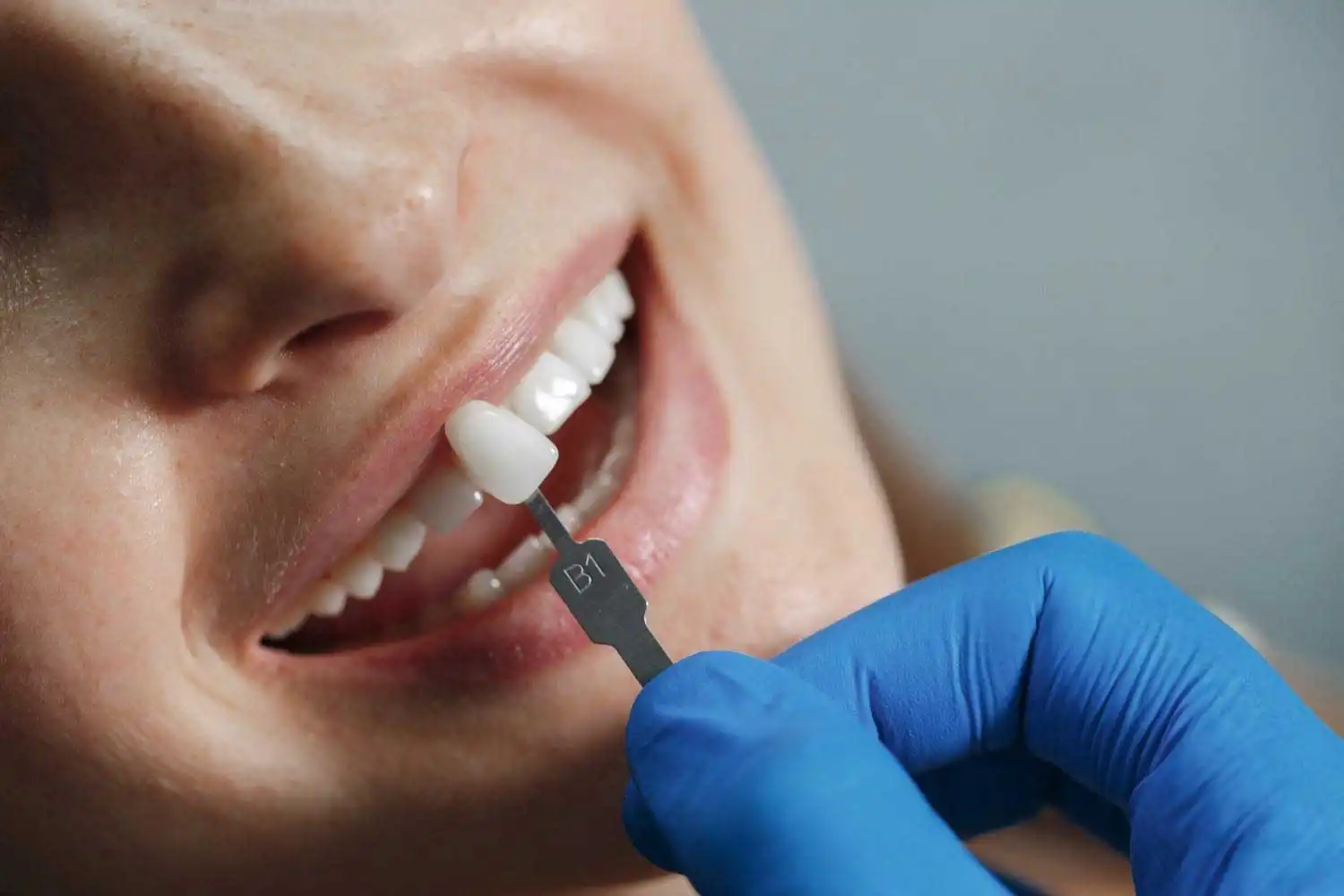
Dentpro Dental Studio, located in the heart of Noida, specializes in the art of cosmetic dentistry to make people smile with the application of dental veneers. Veneers are bonded to the front of the teeth in ultra-thin shells, covering imperfections such as stains, chips, or gaps. The cost of dental veneers in India varies widely based on materials and clinics, with per-tooth estimates at about ₹8,000 into ₹20,000+. This guide outlines the basic definition of veneers, who qualify, predominant advantages, and a stepwise treatment journey, focusing on pricing in Noida and the rest of India.
What Are Dental Veneers?
Dental veneers (these are sometimes called veneers for teeth) are thin front-facing surfaces made individually for each patient and then bonded forever on their front side of the teeth in a permanent application. They are made either from tooth-colored porcelain or composite resin and are used to cover up discoloured teeth, chips, cracks, and teeth that are a bit misaligned. As one source stipulates, “a teeth veneer is a thin layer of material… made from porcelain or a resin-based composite material that sits over the front part of your teeth”. By limiting the coverage to only the enamel part of the tooth, these veneers help in building a longer white smile without affecting the facial aesthetics. Minimal enamel reduction is carried out on the tooth (about 0.5 mm), just enough to accommodate the veneer. Most importantly, only enamel is prepared; the root and nerve of the tooth remain untouched. Thus, the natural tooth sits calmly under the veneer, acting as a substrate. With adequate care, veneers would last many years (often 10–15 years or even more), leaving a natural and "lifelike" appearance akin to healthy enamel.
Types of Dental Veneers
There are two main types of materials used, porcelain (ceramic) and composite-resin veneers. They are ceramic shells made in the laboratory that have the same light-transmitting capacity as enamel. They have strong stain resistance which adds to their strength. Composite veneers are directly sculpted onto the teeth in an appointment with tooth-coloured resin. Though composite veneers are cheaper and quicker to be carried out, they are less durable and can get discoloured with age. There may also be a classification called no-prep veneers (typically very thin composite) that are offered when minimal alteration of the teeth is intended. Dent pro's dentists, in practice, would inform that porcelain veneers offer the longest-lasting and most aesthetic of results while composite veneers are an expeditious and cost-effective means of smiling. (The final decision rests with the budget, what the safely removed enamel quantity is, and what the patient goal consists of.)
Benefits of Dental Veneers
- Provides a wow factor: Stains, chips, cracks, or gaps can be instantly covered, giving one a much brighter, uniform smile. A clinic states that the veneers "cover stained teeth" and "improve the appearance of gaps," promoting a whiter and symmetrical appearance.
- They are durable and have stability of color: High-quality porcelain veneers resist staining better than natural teeth, lasting for about 10-20+ years if properly placed and maintained. The patients are often found smiling with a brilliant white shade, without the frequent touch-ups required for whitening.
- A minimally invasive procedure: The placement of veneers generally requires the removal of only a thin layer of enamel. Dentists usually shave off about 0.5 mm of enamel so that the veneer will sit flush with the rest of the tooth; therefore, the tooth is preserved for the most part. This method is considered less invasive since shallow preparation is performed and the nerves are not affected.
- Smile in a hurry: In contrast to orthodontics, veneers can quickly fix different cosmetic flaws. In some cases, composite veneers are completed in one appointment; porcelain ones usually take less than 2–4 visits. A happier patient walks out with an improved smile immediately.
- Enduring self-belief: Most clinics state that, "Veneers are long-lasting," and offer a new lease of confidence in one's smile. The defect is hidden, and the tooth is protected from wear and stress underneath. These points conjoin to deem veneers a popular choice for cosmetic enhancement.
Who Is a Candidate for Veneers?
A veneer suits the patient who has a mouth in a reasonably healthy condition but has cosmetic problems. According to Apollo Dental, patients should be over 18 (full jaw growth) and have no active decay or gum disease. Thus, the dentists recommend veneers if the teeth' health is sound, meaning sufficient bondable enamel would exist. Ideal candidates have mild staining, small chips, gaps, or slight misalignment but not severe bite issues or habits of grinding. The Dentpro team evaluates all cases scrutinously, If your teeth are free from caries and gums are sound, veneers may be suggested. Active decay if untreated, gum disease, or bruxism with heavy wear needs to be sorted first, as veneers demand a stable and healthy foundation. Ultimately, a detailed examination further signifies the planning of any cosmetic treatment.
Dental Veneers Cost in India
The cost of veneers in India depends on many factors-the material used, the number of teeth, and, of course, the location of the clinic. Generally, composite resin veneers are the cheapest and start from around ₹4,000–7,000 per tooth in Noida. However, porcelain/ceramic veneers cost much higher. A rough estimate that can be used across India says that while composite veneers can cost somewhere in the range of ₹8,000–20,000, porcelain ones can go anywhere from ₹15,000–40,000. Other sources seem to back these ranges, e.g., one blog mentions composite veneers in India costing around ₹8,000–15,000 and porcelain ₹9,000–25,000 per tooth. The prices in metropolitan areas like Delhi-NCR tend to be on the higher side of these ranges. For instance, a Noida clinic reports veneers starting at about ₹8,000 /tooth, while top clinics may charge ₹20,000+ for premium porcelain options.
- Clinic & Location: High-end clinics in big cities charge more. Dentpro in Noida gives clients transparent quotations, though readers may expect prices in Noida/Delhi to be aligned with major metro rates.
- Material: Porcelain/ceramic veneers cost significantly higher than composite. For instance, premium Porcelain veneers may cost about ₹15k-30k, while basic composites can be under ₹8k.
- Number of Teeth: The size of your total cost usually scales along the number of veneers you need. A full smile makeover (8-10 teeth) could easily cost over ₹1,00,000 in total.
- Expertise & Customization: Experienced senior cosmetic dentists or advanced lab work charge more, thus raising the overall cost. Dent pro's skilled team employs high-quality materials (e.g., IPS e.max) which is reflected in pricing but also ensures highly favourable results.
Always ask for itemized quotations: some clinics bundle lab fees or extras (like diagnostics or sedation), others charge per veneer. All said and done: the dental veneers cost in India can go as low as a couple of thousand rupees per tooth to going up to tens of thousands. So when in doubt, compare materials and get many estimates.
Dental Veneers Treatment Process
- Consult and Plan: The first visit includes an intensive dental examination and discussion. The dentists from Dentpro assess oral health (teeth, gums, bite) and check approval for having veneers. Careful checking by doing X-rays or photos might be required. The dentist will discuss the desired smile outcome and options concerning this with you. It usually involves a mock-up or digital smile design for visualization of your results beforehand.
- Tooth Preparation: This slightly varies from patient to patient. If you go through with it, a minimal amount of enamel (usually 0.3-0.7mm) is carefully removed on the front of each tooth. This will make sure that the veneer does not appear bulky. This is actually quite comfortable under local anaesthesia. As per one guide, “Thin enamel removal may be required so that veneers may be bonded to the teeth”. After trimming, an impression (or digital scan) is then taken of your teeth. If porcelain veneers were in the plan, the patient might receive temporary veneers while waiting for the permanent veneers to be fabricated in a dental laboratory (usually 1-2 weeks).
- Fabrication of Veneers: In the lab (for porcelain), technicians make every veneer fitting to the shape and desired shade of your tooth. Dentpro uses precision milling or layering of ceramic (for example lithium disilicate) in its lab work. Resin is usually shaped directly in the tooth afterward in composite veneers. Therefore, lab work may not be required.
- 4. Bonding: At the last appointment, the (permanent) veneers are tried for shape and color acceptance. After acceptance, each tooth is etched, and a strong dental cement bonds the veneer in place. The curing light then solidifies the adhesive, and any excess cement is disposed of. This task is termed “fixing the veneers for good”. The dentist makes small adjustments where necessary to ensure that your bite is correct.
- Follow-Up: There is only one brief visit scheduled for the follow-up. The dentist checks whether the veneers are comfortable and that, around them, the gums are healthy. Care instructions will be given at this stage (e.g. normal brushing, avoid extremely sticky foods for 24 hours).
Typically, the entire procedure takes between two and four visits lasting several weeks. Each patient serves as their appointment researcher, ensuring that lab work and adjustments are allowed in between to avoid repeated appointments.
Aftercare and Longevity
When in a dental veneer, one should really care for it like a natural tooth. There should be brushing and flossing every day and dental cleaning every six months. Habits that damage the teeth naturally should be avoided, i.e., people do not use their teeth as tools to open boxes; do not bite on really hard things (nuts, ice, etc.); and cut down the foods and drinks that lead to stains. Although porcelain does resist color, composite veneers do stain over the course of time. As one guide says, "avoid coffee, tea, or red wine" to stop stains from occurring. For grinders, wearing a night guard is wise. A veneer can last a decade or more; as one report states, well-cared-for veneers last 10-30 years. Damage to the veneer that may involve chipping or wear is often repairable or may even be individually replaced.
Risks and Considerations
Dentists should make full disclosures to clients regarding the disadvantages of using veneers. For example, once enamel reduction is done, it can never be reversed; the tooth will always require a veneer or crown. Enamel removal doesn't ensure that every patient faces temporary sensitivity of the tooth; some patients do. Apollo Dental explains how "would result in... sensitivity" to warn that veneers "could weaken your tooth enamel". Detrimental habits could increase the risk: veneers are "stain-resistant, but not entirely," maintained that foods, smoking discoloured them. Chipping is yet another risk with veneers; a crack develops during hard hits or bites onto an object other than food. Dentists will assess general habits (like grinding) and bite to minimize such risks. Finally, since veneers are primarily for cosmetic purposes, they usually do not get insurance coverage and are often not recommended if there were functional issues (crowding, major misalignment). At Dentpro, comprehensive planning involving full discussion of alternatives such as braces, whitening, and bonding, etc., is undertaken to ensure optimum choice in veneers.
Conclusion
Dental veneers provide a strong way of putting up a dazzling smile, and it is here that Dentpro Dental Studio in Noida is all equipped to prepare you for the entire process. We educate patients on the wonderful aesthetic outcome: real candidacy criteria, treatment steps, aftercare, and costs. Knowing the costs (spanning from budget composites to premium ceramics in India), based on the benefits (long-lasting, aesthetic smiles) and the treatment (multiple visits with precise dental work), you will benefit from making an informed decision. If you are looking into veneers in Noida, get an appointment with a qualified cosmetic dentist-who will probably be one that works at Dentpro Dental Studio-so that you can figure out if those veneers would fit your goals and budget. With expert planning and care, veneers can deliver a natural-looking, confidence-boosting smile for many years.
Frequently Asked Questions (FAQs) About Dental Veneers
1. What is the cost of dental veneers per tooth in Noida?
In Noida, the cost of dental veneers per tooth varies from ₹8,000 to ₹20,000 and beyond, depending on the type of material used. Composite veneers are less expensive, while porcelain veneers are more expensive because of their durability and a natural appearance. At Dentpro Dental Studio, all treatment costs are laid out transparently as per the individual requirement.
2. How long can porcelain dental veneers last?
Porcelain veneers can last 10 to 20 years and more with proper care and regular dental visits. Porcelain veneers are highly resistant to stains and wear. Good oral hygiene, avoiding biting on hard foods, and using a night guard (if you grind your teeth) can significantly increase their lifespan.
3. Do dental veneers hurt?
No, the veneers procedure is not very painful. Local anaesthesia is given during the minimal enamel trimming, and thus, patients have a comfortable time during the process. Some patients feel slight sensitivity for a couple of days, but this usually subsides spontaneously.
4. Are dental veneers better than whitening?
Dental veneers and tooth whitening serve two different purposes. Whitening improves the color of the tooth alone, while veneers improve color, shape, chips, gaps, and some amount of misalignment. If you want a smile make-over with permanent results, in that case, veneers are the better option.
5. Can dental veneers later be removed?
Due to the fact that a thin layer of enamel is removed during preparation, they cannot be made reversible. Once placed, the tooth will always need a veneer or crown for protection. This is why before recommending veneers; the dentists in Dentpro Dental Studio take special care to examine every case.
6. Are dental veneers natural looking?
Yes, particularly porcelain veneers look very natural because they refract light in the same manner as natural enamel. The advanced digital smile design and use of the very best ceramic materials at Dentpro Dental Studio, Noida, assure that the veneers match seamlessly with your natural teeth.
7. Who are the people that should not be doing veneers?
People with gum disease, cavities, severe teeth grinding, altered anatomy, or severely heavy misalignments are not good candidates initially. These must be treated first. A thorough clinical examination at Dentpro Dental will determine your candidacy for veneers.
 WhatsApp