





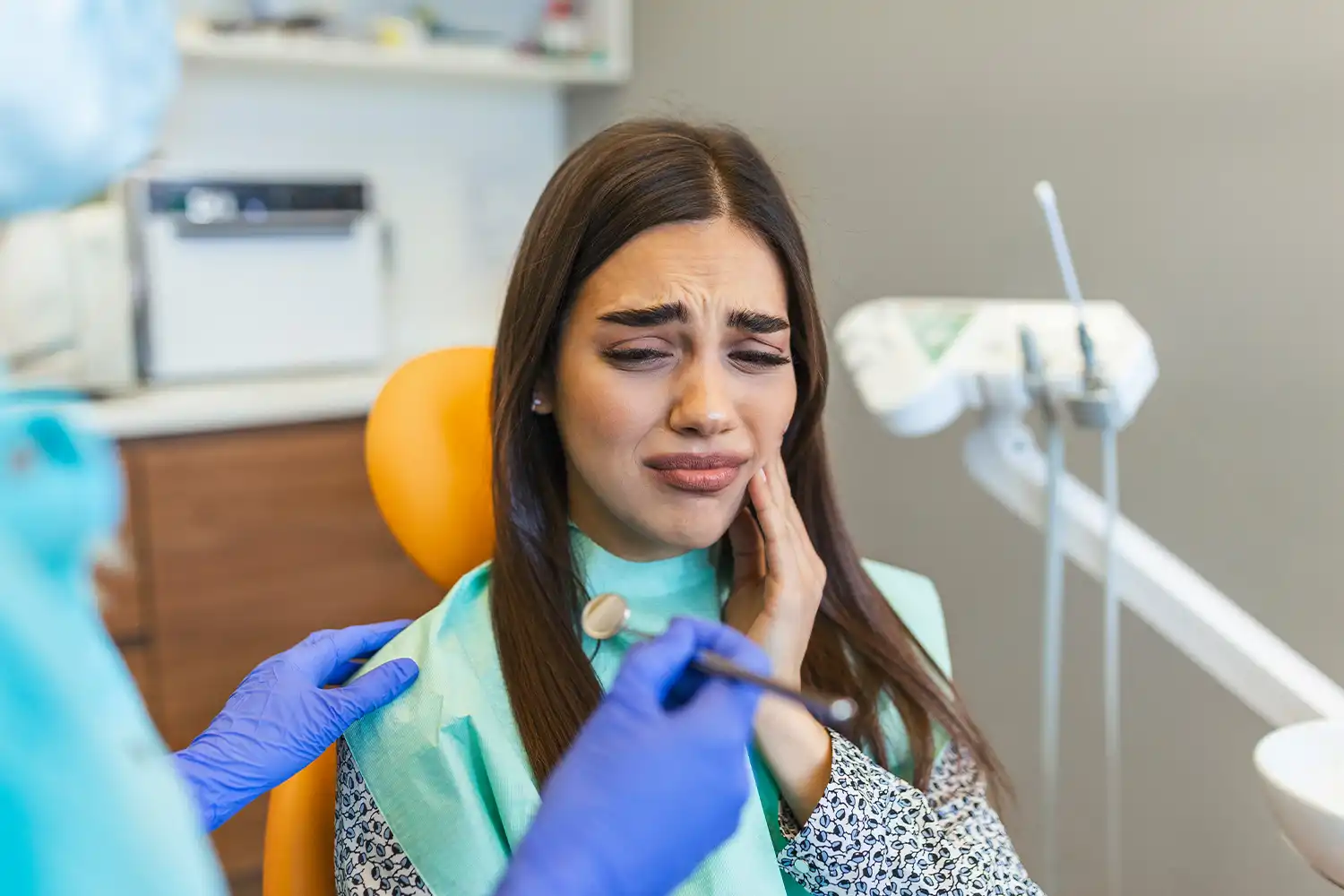
Experiencing discomfort following a root canal procedure is common, but understanding why it happens and how to manage it effectively can make your recovery much smoother. At Dentpro Dental Studio, we believe that informed patients heal better, which is why we've created this comprehensive guide to help you navigate post-treatment discomfort.
Understanding Pain After Root Canal Treatment
Root canal therapy is designed to save an infected or severely damaged tooth by removing the inflamed pulp tissue inside. While the procedure itself is performed under local anaesthesia, some degree of tooth pain after root canal treatment is normal as your body begins the healing process.
The throbbing sensation you might experience occurs because the procedure, though therapeutic, involves cleaning, shaping, and sometimes removing infected tissue from inside your tooth. This temporarily inflames the surrounding tissues and ligaments that hold your tooth in place. Think of it like a sprained ankle—even after proper treatment, the area needs time to recover.
Why Does After Root Canal Treatment Pain Occur?
Several factors contribute to discomfort following the procedure:
Tissue Inflammation: The periodontal ligament surrounding your tooth root becomes inflamed during treatment. This ligament contains numerous nerve endings that can trigger pain signals as they heal.
- Instrumentation Sensitivity: The files and instruments used to clean the root canals can cause micro-trauma to the tissues at the tip of your tooth root, leading to temporary sensitivity.
- Residual Infection: In cases where infection was present before treatment, your immune system continues fighting remaining bacteria even after the infected pulp is removed.
- Filling Material Pressure: The materials used to seal the root canals can cause temporary pressure sensations as your tooth adjusts to them.
- Pre-existing Inflammation: If your tooth was severely infected or inflamed before treatment, the healing process naturally takes longer.
Normal vs. Concerning Pain Levels
Understanding what's normal helps you know when to seek additional care. Most patients at Dentpro Dental Studio report that discomfort peaks within the first 48 to 72 hours after treatment and gradually subsides over the following week.
Expected Discomfort Includes:
- Mild to moderate throbbing that responds to over-the-counter pain medication
- Sensitivity when biting or chewing on the treated tooth
- Tenderness in the gum tissue around the tooth
- A feeling of pressure or fullness in the area
- Discomfort that gradually decreases each day
Warning Signs Requiring Professional Attention:
- Severe pain that worsens after the third day
- Swelling that increases or spreads to your face or neck
- Pain that doesn't respond to prescribed or recommended pain medication
- Visible swelling or a pimple-like bump on your gum
- Fever or general feeling of illness
- Numbness that persists beyond the anaesthesia wearing off
- An uneven bite or the feeling that your temporary filling is too high
If you experience any of these concerning symptoms, contact Dentpro Dental Studio immediately. Prompt attention can prevent complications and ensure proper healing.
Effective Strategies to Stop Throbbing Pain After Root Canal
Medication Management
Over-the-Counter Pain Relievers: Non-steroidal anti-inflammatory drugs (NSAIDs) like ibuprofen are particularly effective for dental pain because they reduce both pain and inflammation. Acetaminophen provides pain relief without anti-inflammatory properties but can be alternated with ibuprofen for enhanced effect.
A common protocol recommended by dental professionals involves taking 600-800mg of ibuprofen every 6-8 hours (with food to protect your stomach) and alternating with 650-1000mg of acetaminophen every 6 hours. This combination often provides better pain control than either medication alone. Always follow dosing instructions and consult with your healthcare provider if you have any medical conditions that might contraindicate these medications.
Prescription Pain Medication: For more complex cases involving significant infection or extensive treatment, your dentist may prescribe stronger pain medication. Take these exactly as directed and avoid alcohol consumption while using them.
Cold Therapy Application
Applying cold compresses to the outside of your cheek near the treated tooth can significantly reduce swelling and numb the pain. Use an ice pack wrapped in a thin towel and applies it for 15-20 minutes at a time with at least 20-minute breaks in between. This technique is most effective during the first 48 hours after your procedure.
Cold therapy works by constricting blood vessels, which reduces inflammation and temporarily numbs nerve endings. Many patients find this particularly helpful at night when pain tends to feel more intense.
Elevation for Symptom Relief
Keep your head elevated, especially when lying down. Use an extra pillow or two to prop yourself up at a 45-degree angle. This position prevents blood from pooling in your head, which can intensify the throbbing sensation. Many patients notice that tooth pain after root canal treatment feels worse when lying flat, so maintaining elevation even during sleep can improve comfort significantly.
Dietary Adjustments during Healing
Your food choices during the first few days after treatment can greatly impact your comfort level:
- Choose Soft Foods: Yogurt, smoothness, mashed potatoes, scrambled eggs, oatmeal, soup (not too hot), pasta, and soft fruits like bananas minimize stress on the treated tooth.
- Avoid Problem Foods: Stay away from hard foods like nuts, chips, and raw vegetables, crunchy items that require significant chewing force, sticky foods like caramel or taffy, extremely hot or cold foods and beverages, and chewy foods like steak or bagels.
- Chew on the Opposite Side: Give the treated tooth complete rest by chewing exclusively on the other side of your mouth until discomfort subsides.
- Stay Hydrated: Drinking plenty of water supports healing and helps flush bacteria from your mouth. Avoid using straws, as the suction can irritate the treatment area.
Oral Hygiene Best Practices
Maintaining excellent oral hygiene is crucial for healing, but you need to be gentle around the treated area:
- Brushing Technique: Use a soft-bristled toothbrush and brush carefully around the treated tooth. Don't avoid the area completely—bacteria accumulation can worsen pain and delay healing—but be gentle and thorough.
- Rinsing Protocol: Twenty-four hours after your procedure, begin rinsing with warm salt water (one teaspoon of salt in eight ounces of warm water) three to four times daily, especially after meals. This natural solution reduces bacteria and promotes healing without the harshness of commercial mouthwashes.
- Avoid Aggressive Rinsing: Don't swish vigorously, as this can disturb the healing tissues. Instead, let the solution gently move around your mouth.
Rest and Recovery
Your body heals most efficiently when you're well-rested. Try to take it easy for the first 48 hours after your root canal. Avoid strenuous exercise, which can increase blood pressure and intensify throbbing. Physical activity also raises your risk of accidentally bumping or injuring the treatment area.
Get adequate sleep and manage stress levels, as both significantly impact pain perception and healing speed. Consider taking a day off work if possible, particularly if your job involves physical labor or high-stress situations.
Natural Remedies to Complement Treatment
While medication remains the primary pain management tool, some natural approaches may provide additional comfort:
- Clove Oil: This traditional dental remedy contains eugenol, a natural anaesthetic and antibacterial compound. Apply a tiny amount to a cotton ball and gently hold it against the affected area for short periods. Use sparingly, as excessive application can irritate tissues.
- Chamomile Tea: Known for anti-inflammatory properties, cooled chamomile tea can be used as a gentle mouth rinse. The antioxidants in chamomile may support the healing process.
- Garlic: Some people find that garlic's natural antibacterial properties help with dental discomfort, though scientific evidence is limited. If you try this remedy, use it gently and discontinue if any irritation occurs.
Always discuss natural remedies with your dentist at Dentpro Dental Studio before using them, as some may interfere with prescribed treatments or cause allergic reactions.
The Healing Timeline: What to Expect
Understanding the typical recovery progression helps you gauge whether your healing is on track:
- First 24 Hours: Peak discomfort often occurs during this period as anaesthesia wears off and inflammation sets in. The throbbing sensation may be moderate to moderately severe. This is the most critical time for medication management and cold therapy application.
- Days 2-3: Pain should begin gradually decreasing, though you may still experience significant sensitivity when biting. Continue pain medication as needed and maintain soft food diet.
- Days 4-7: Most patients notice substantial improvement during this period. Tooth pain after root canal treatment typically becomes mild and intermittent. You may feel comfortable reducing pain medication or switching to as-needed dosing.
- Week 2: Minor sensitivity may persist, particularly when chewing, but the throbbing sensation should be completely resolved. Many patients feel comfortable resuming normal eating habits, though some caution is still warranted.
- Weeks 3-4: The tooth should feel increasingly normal. Any remaining discomfort is usually so mild that patients don't require medication. Final restoration (crown placement) typically occurs around this time.
- Long-term: Once a permanent crown is placed and fully adjusted, the treated tooth should function normally without pain. Some patients experience occasional mild sensitivity to temperature extremes, but this typically resolves within a few months.
Why Choose Dentpro Dental Studio for Root Canal Treatment
At Dentpro Dental Studio, we understand that the thought of a root canal can be anxiety-inducing, which is why we prioritize patient comfort and clear communication throughout the entire process. Our experienced dental professionals use advanced techniques and modern equipment to make your procedure as comfortable as possible and minimize after root canal treatment pain.
We provide detailed post-operative instructions tailored to your specific case and remain available for questions or concerns during your recovery. Our commitment to evidence-based dentistry means you receive treatment backed by the latest research and best practices in endodontic care.
Prevention: Reducing Risk of Future Dental Problems
While experiencing pain after root canal treatment that requires management is common, maintaining excellent oral health can help you avoid future dental issues:
- Regular Dental Visits: Schedule check-ups and cleanings at Dentpro Dental Studio every six months. Early detection of cavities and other problems can prevent conditions that lead to root canal needs.
- Proper Home Care: Brush twice daily with fluoride toothpaste, floss daily to remove plaque between teeth, and consider using an antimicrobial mouthwash to reduce bacteria.
- Protect Your Teeth: Wear a mouthguard if you play contact sports or grind your teeth at night. Avoid using your teeth as tools to open packages or crack nuts.
- Smart Dietary Choices: Limit sugary foods and beverages that promote tooth decay. Choose calcium-rich foods that strengthen tooth enamel.
- Address Problems Promptly: Don't ignore tooth pain, sensitivity, or other symptoms. Early treatment of dental issues is typically simpler, less expensive, and more successful than waiting until problems become severe.
When to Contact Your Dentist
While most recovery from root canal treatment proceeds smoothly, staying alert to potential complications ensures the best outcome. Contact Dentpro Dental Studio if you experience:
- Pain that suddenly worsens after initially improving
- Swelling inside or outside your mouth that's increasing
- An allergic reaction to medication (rash, difficulty breathing, severe itching)
- The temporary filling or crown feels loose or falls out
- Your bite feels significantly uneven
- Persistent bad taste or odor from the treated tooth
- Any symptoms that cause you concern, even if they seem minor
Our team is always available to assess your situation and provide guidance. It's better to ask questions and receive reassurance than to worry unnecessarily or allow a problem to worsen.
Final Thoughts
Experiencing pain after root canal treatment is a normal part of the healing process, but it shouldn't be unbearable or long-lasting. By following the pain management strategies outlined in this guide—proper medication use, cold therapy, elevation, dietary adjustments, gentle oral hygiene, and adequate rest—you can significantly reduce discomfort and support optimal healing.
Remember that every patient's experience is unique. Some people have minimal discomfort that resolves within a day or two, while others experience moderate pain for up to a week. Both scenarios can be completely normal depending on the complexity of your case and your individual healing response.
At Dentpro Dental Studio, we're committed to supporting you through every stage of your dental care journey, from diagnosis through complete recovery. Our goal is not just to save your tooth, but to ensure you're comfortable and confident throughout the process.
 WhatsApp